Skip to content
Highlights of Update - V2.3.0
-
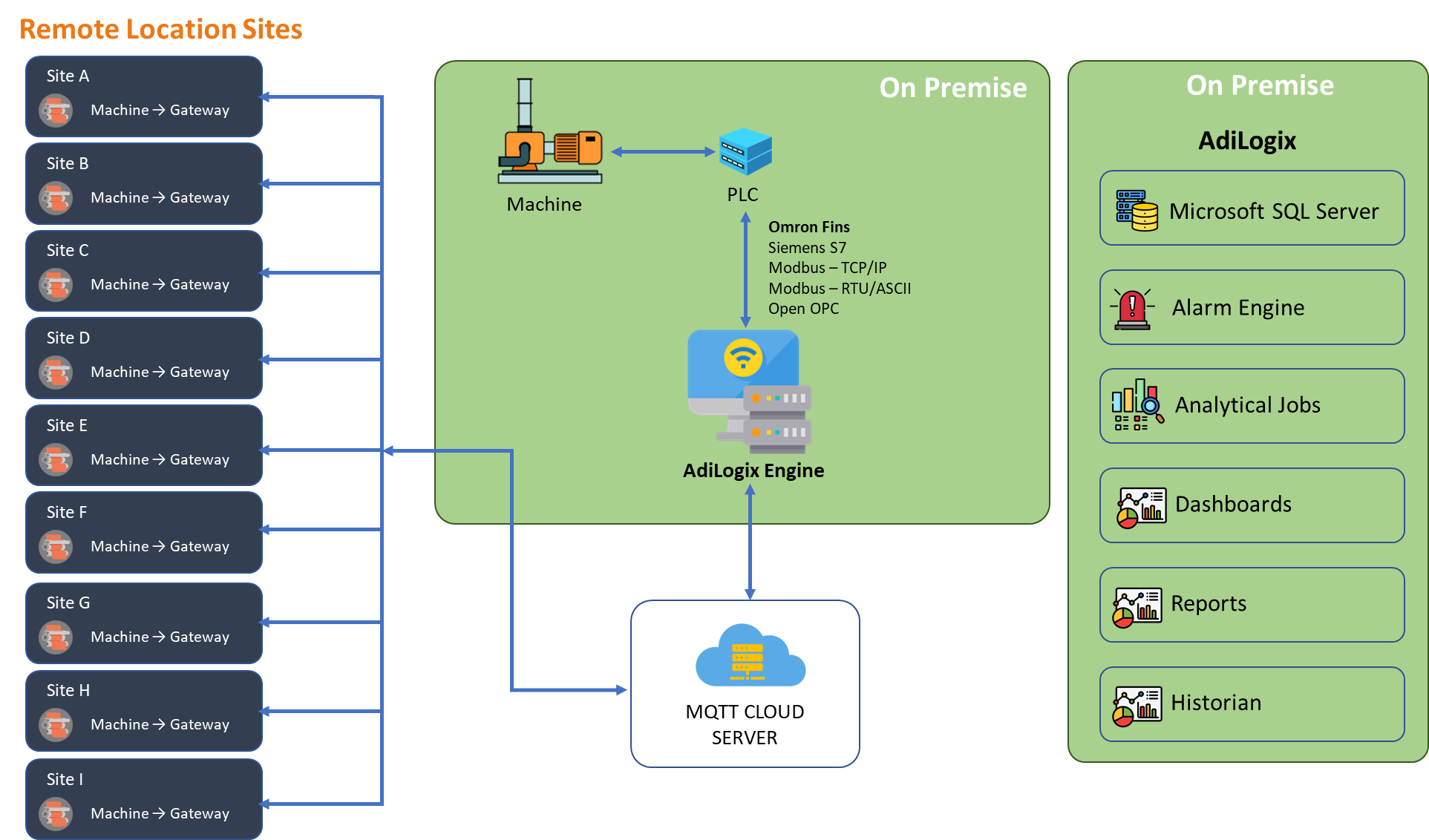
Simultaneously connect PLCs and field devices using Modbus (Ethernet & RS485), Omron, Siemens S7, and OPC UA — all running in parallel without performance compromise.
-
Scale effortlessly with unlimited MQTT-based gateways, enabling real-time monitoring and full remote control alongside existing SCADA devices.
-
True real-time data acquisition and control, bringing remote assets directly into your on-premise AdiLogix SCADA environment.
-
No vendor lock-in, no protocol limitations — integrate legacy automation systems and modern IIoT gateways on a single unified platform.
-
Designed for industrial reliability, AdiLogix 2.3.0 delivers high-speed communication, deterministic control, and secure on-premise deployment.
End-to-End MQTT Device Support
The platform now supports end-to-end integration of MQTT-enabled devices, enabling seamless connectivity with both local and remote systems. MQTT data sources offer full bidirectional capabilities, including read, write, historical logging, and alarms, delivering lightweight, event-driven communication with consistent behavior across all industrial protocols.
MQTT Device Configuration Interface
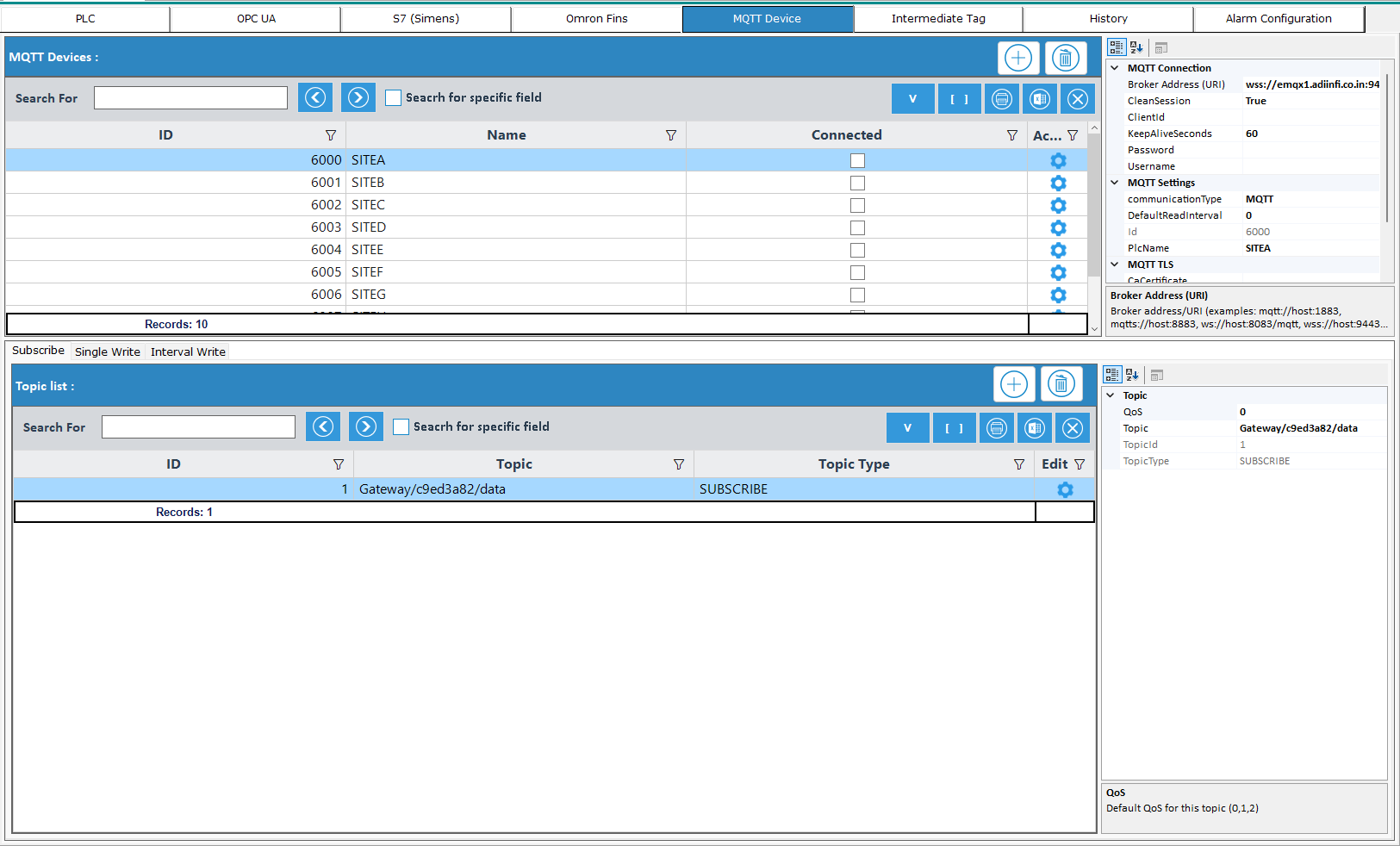
A dedicated MQTT Device Configuration interface has been introduced, allowing users to add, manage, and configure multiple MQTT devices from a single screen. Customers can define subscribed topics to enable structured and real-time data acquisition.
Flexible MQTT Publishing Options
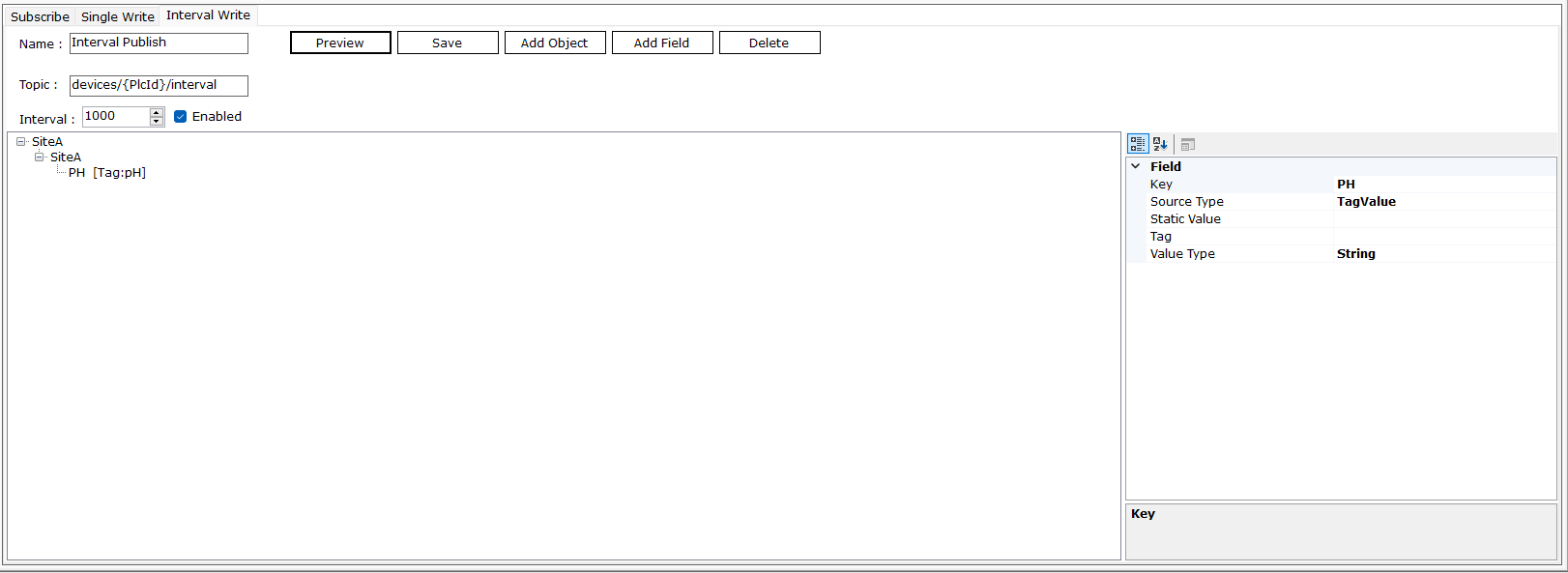
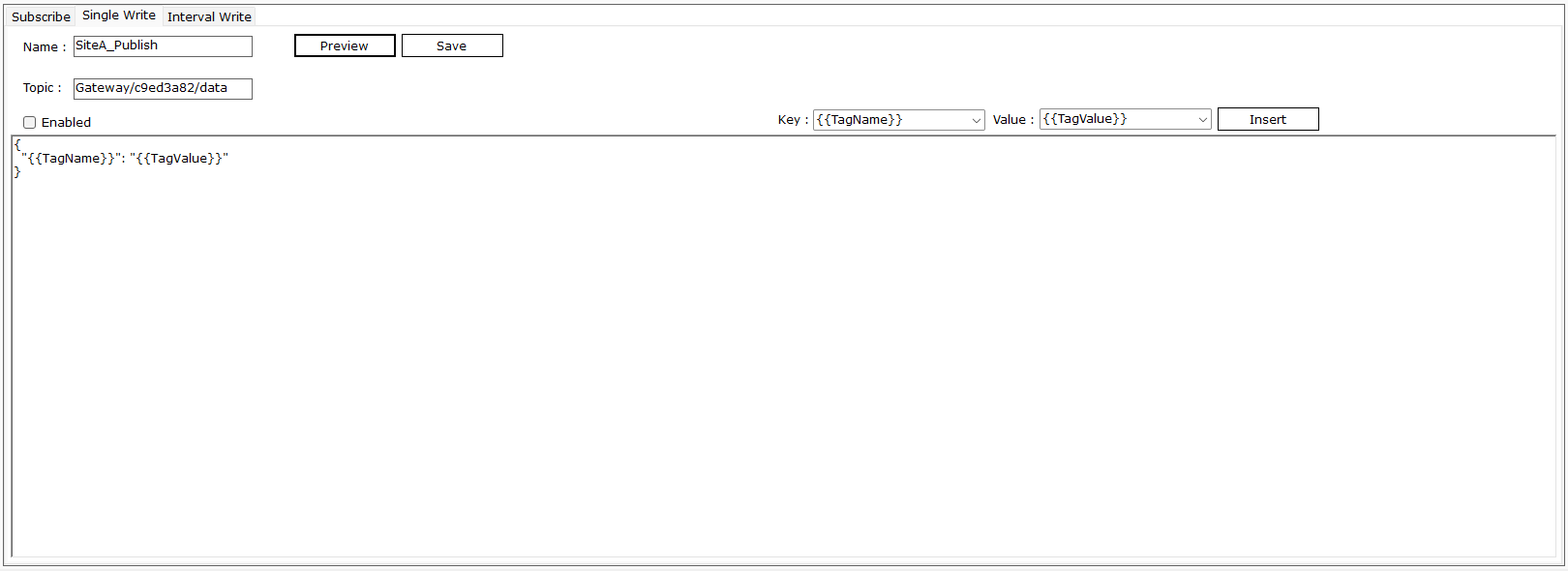
The platform now supports MQTT data publishing on fixed intervals and publish-on-write events. This flexibility enables customers to design custom publishing strategies based on operational and integration requirements.
MQTT Support in History and Alarm Configuration
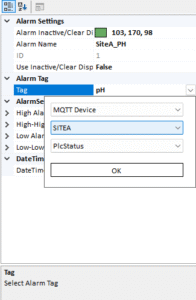
History logging and alarm configuration have been extended to MQTT tags, delivering a unified approach to data persistence and alarm management across Modbus, OPC UA, S7, and MQTT data sources. MQTT data is now available in real time within runtime applications, with built-in support for alarms and historical logging, enabling immediate operational visibility as well as long-term data analysis.
Real-Time MQTT Visualization in Runtime Trending Charts
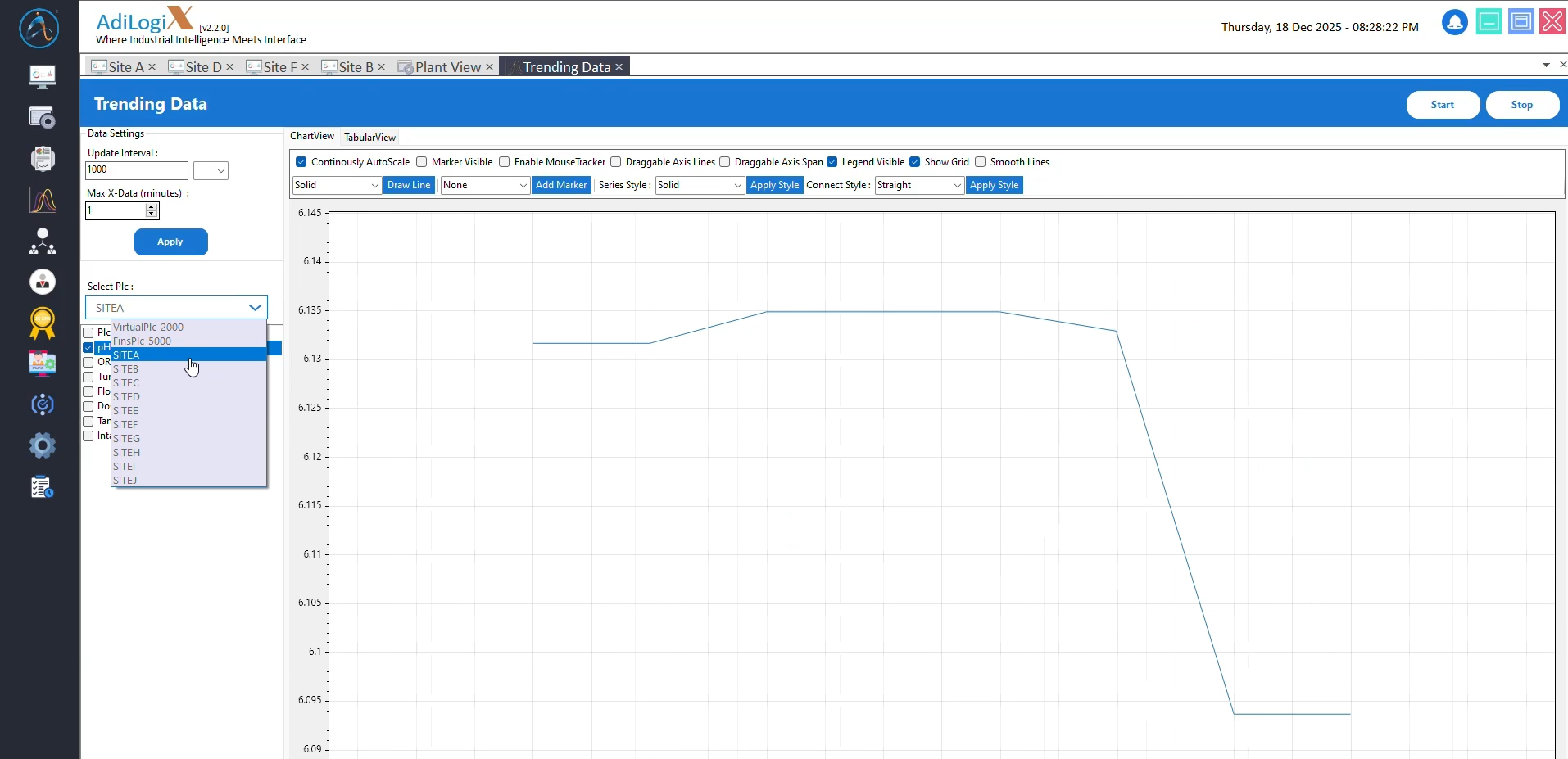
Runtime now supports real-time visualization of MQTT data within trending charts, allowing users to monitor MQTT-enabled devices live alongside existing protocol data for comprehensive operational insight.
MQTT Support Across Designer Workflows
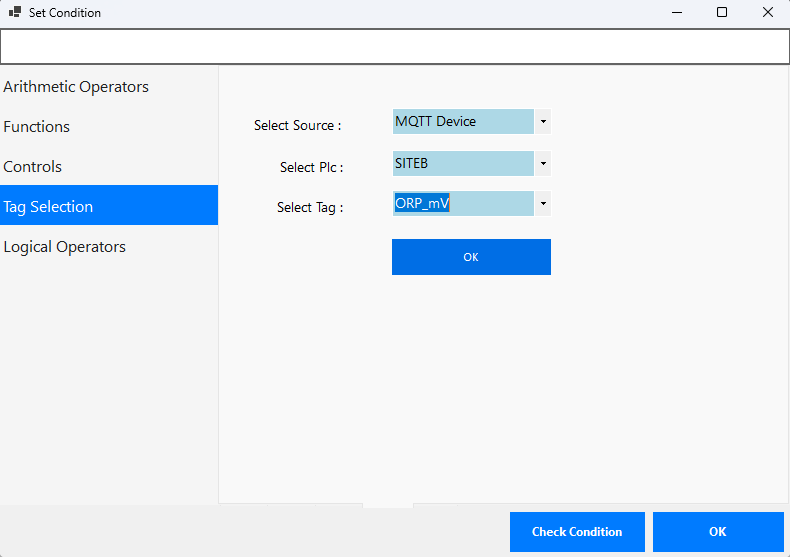
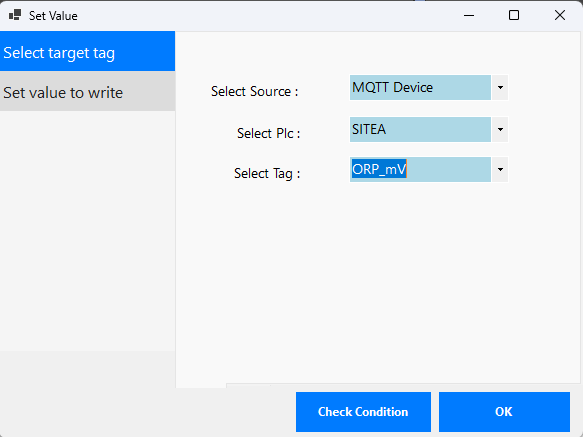
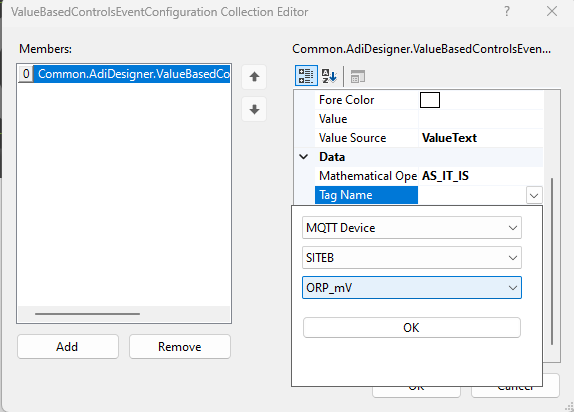
Designer now supports MQTT-based events across all workflows, including Query Designer, Set Value function calls, and the Condition Editor. This empowers users to build advanced logic, automation, and control using MQTT data.
Improvements
Enhanced System Stability and Multi-Protocol Reliability
Overall system robustness has been significantly improved to ensure stable and reliable operation in multi-protocol environments. These enhancements strengthen communication across Modbus, OPC UA, S7, and MQTT, reducing disruptions and improving operational continuity in complex industrial setups.
Improved User Experience and Workflow Smoothness
User experience across configuration, monitoring, and runtime workflows has been refined to deliver smoother interactions and better usability. These improvements help users configure systems faster, monitor data more efficiently, and operate the platform with greater confidence.
Performance Optimization and Resource Efficiency
Comprehensive performance optimizations and internal refinements have been applied to support scalable, real-time industrial data processing. Internal processing has been optimized to reduce high CPU usage, resulting in improved runtime performance, stability, and system efficiency.
Automatic Reconnection for Continuous Operation
A robust automatic reconnection mechanism has been implemented across all supported data sources. This ensures continuous system operation during temporary network issues or device interruptions, minimizing downtime and manual intervention.
Release Notes
Stay up to date with the latest features, improvements, and fixes in AdiLogiX
Platform-wide - V2.3.0
🟢New Features
- Introduced end-to-end MQTT device support across the platform, enabling seamless integration with both remote and on-site MQTT-enabled devices.
- The platform now supports reading, writing, historical data logging, and alarm generation for MQTT data sources, ensuring full bidirectional communication and consistent data handling across all supported protocols.
🟡Improvements
- Enhanced overall system robustness and reliability, particularly in multi-protocol communication scenarios.
- Improved the user experience across configuration, monitoring, and runtime workflows, delivering smoother interactions and better operational stability.
- General performance optimizations and internal refinements to support scalable, real-time industrial data processing.
Configurator V2.3.0
🟢New Features
- Introduced a dedicated MQTT Device Configuration interface, enabling users to add, manage, and configure multiple MQTT devices and define their subscribed topics for live data acquisition.
- Added support for MQTT publishing on interval and publish-on-write events, allowing flexible data publishing strategies tailored to different operational requirements.
- Extended History and Alarm configuration to include MQTT tags, providing unified historical logging and alarm management across Modbus, OPC UA, S7, and MQTT data sources.
Designer V2.3.0
🟢New Features
- Added comprehensive MQTT support across Designer workflows, enabling MQTT-based events in all controls, including:
- Query Designer
- Set Value function calls
- Condition Editor
🔵Fixes
- Fixed issues with control copy and paste in the Tile Designer and Report Designer, improving design-time usability.
- Resolved a crash occurring when copying and pasting report elements between sections, ensuring a more stable design experience.
Data service V2.3.0
🟢New Features
- Added comprehensive MQTT data handling capabilities, including connect, disconnect, and scheduled read tasks.
- Enabled real-time MQTT data delivery to runtime applications, along with alarm generation and historical data logging based on MQTT inputs.
🟡Improvements
- Implemented robust automatic reconnection mechanisms for all supported data sources, ensuring continued operation during temporary network or device interruptions.
- Optimized internal processing to reduce high CPU usage and improve overall runtime performance and stability.
🔵Fixes
- Fixed issues related to historical data logging reliability, ensuring accurate and consistent data persistence.
Runtime — V2.3.0
🟢New Features
- Added support for real-time visualization of MQTT data in the trending chart, enabling live monitoring of MQTT-enabled devices alongside existing data sources.
🔵Fixes
- Fixed intermittent issues with password policy configuration screens failing to open.
- Resolved null reference errors and duplicate series name conflicts in the trending chart to improve stability and user experience.